


Preparing for the UPSC Civil Services Exam 2026 requires mastering analytical writing and understanding contemporary issues that influence society, culture, and global governance. This week’s UPSC Mains GS Paper 1 Answer Writing Practice explores two high-value topics:
1️⃣ The significance of UNESCO’s recognition of living cultural traditions, and
2️⃣ The implications of Australia’s social media ban for children under 16, reflecting evolving global digital governance.
These answers are structured as per UPSC Mains standards, enriched with analytical content, keywords, and examples to help you score higher.
QUESTION 1
UNESCO’s recognition of cultural festivals often boosts local economies and creative industries. Discuss how such recognition contributes to cultural pride and the preservation of traditions.
Introduction
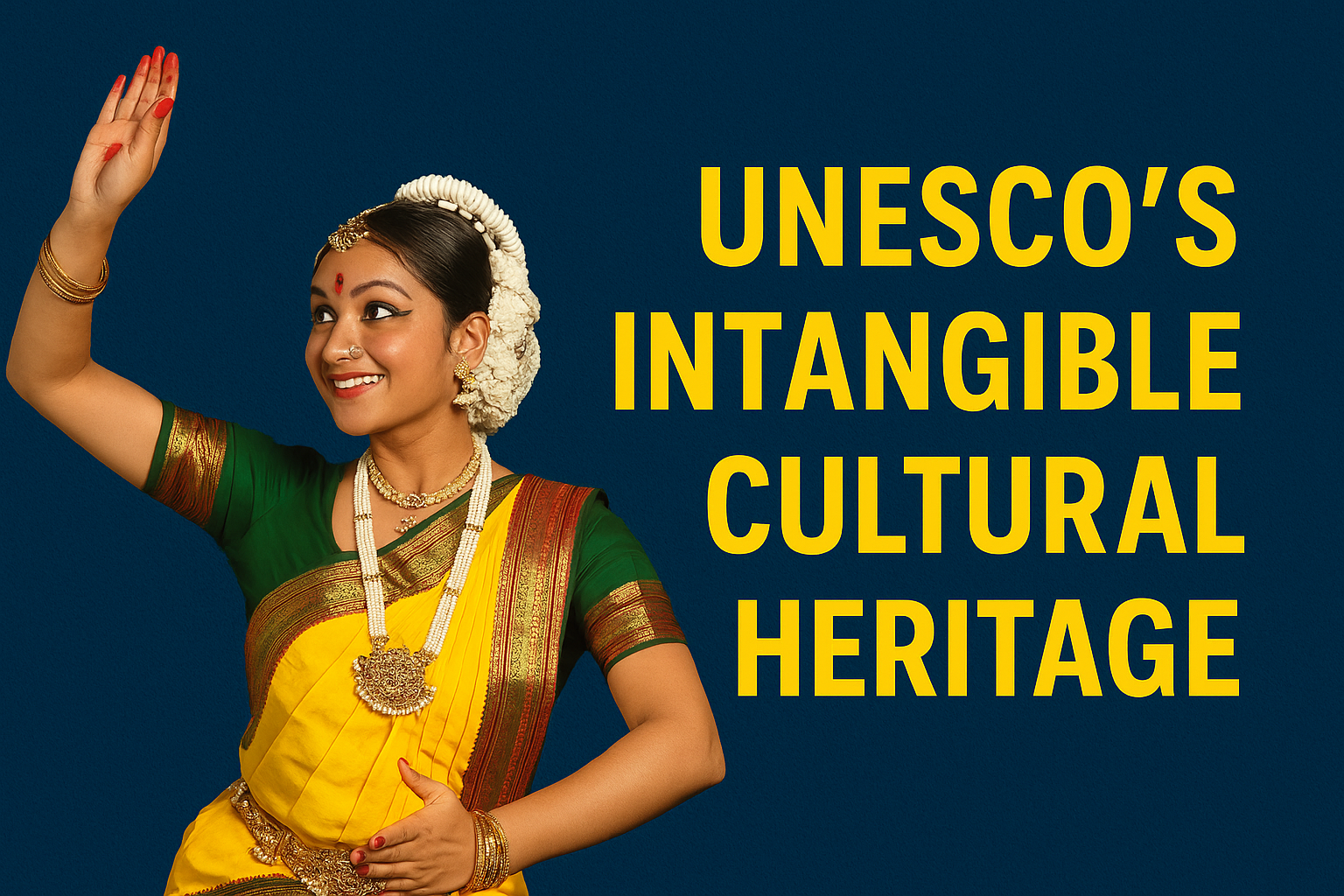
UNESCO’s Representative List of the Intangible Cultural Heritage of Humanity plays a transformative role by safeguarding living traditions, strengthening cultural identity, and driving socio-economic growth. The recognition of festivals—like India’s Durga Puja, Garba, and Kumbh Mela—not only raises global awareness but also enhances community pride and long-term preservation of traditions.
What is Intangible Cultural Heritage (ICH)?
UNESCO’s ICH list protects living practices, skills, knowledge, and expressions across five major domains:
- Oral traditions and expressions
- Performing arts
- Social practices and festive events
- Knowledge related to nature and the universe
- Traditional craftsmanship
These are not physical monuments but living cultural systems passed through generations.
India currently has 15 ICH elements, including:
- Yoga
- Ramlila
- Vedic chanting
- Durga Puja
- Garba
- Kumbh Mela
The recent inscription of Diwali has further elevated Indian cultural identity on the global stage.
How UNESCO Recognition Boosts Cultural Pride and Preserves Traditions
1. Enhances Global Visibility and Cultural Identity
UNESCO recognition:
- Validates local cultural expressions
- Strengthens community pride
- Encourages cross-cultural appreciation
Communities feel their traditions matter globally, reinforcing emotional ownership.
2. Stimulates Local Economies and Creative Industries
Recognition attracts:
- Tourism
- Cultural investments
- Craft-based industries
- Performance art opportunities
Artisans, performers, and local businesses benefit through increased visibility and demand.
3. Encourages Intergenerational Knowledge Transfer
Younger generations are more likely to:
- Learn traditional art forms
- Participate in festivals
- Uphold family-based cultural practices
Recognition makes traditions aspirational, not outdated.
4. Drives Government Support and Policy Backing
Governments initiate:
- Preservation programs
- Financial grants
- Infrastructure development
- Documentation and archiving projects
This institutional support strengthens long-term preservation.
5. Promotes Cultural Diplomacy
UNESCO status enhances:
- Soft power
- International cultural partnerships
- Global cultural tourism
Countries use cultural heritage as a tool of international engagement.
Conclusion
UNESCO’s recognition has a far-reaching impact beyond symbolic heritage listing. It revives community pride, strengthens economic and creative ecosystems, and ensures the sustainable preservation of traditions. At a time of rapid globalisation, such recognition protects cultural diversity and promotes intercultural understanding—an essential dimension of India’s social fabric.
Related Previous Year Questions
Globalization is generally said to promote cultural homogenization but due to this cultural specificities appear to be strengthened in the Indian Society.’ Elucidate. (2018)
To what extent globalisation has influenced the core of cultural diversity in India? Explain. (2016)
QUESTION 2
“Social media ban for users under 16 in Australia reflects a shift in global governance of digital spaces.” What will be the potential global influence with respect to balancing child protection?
Introduction
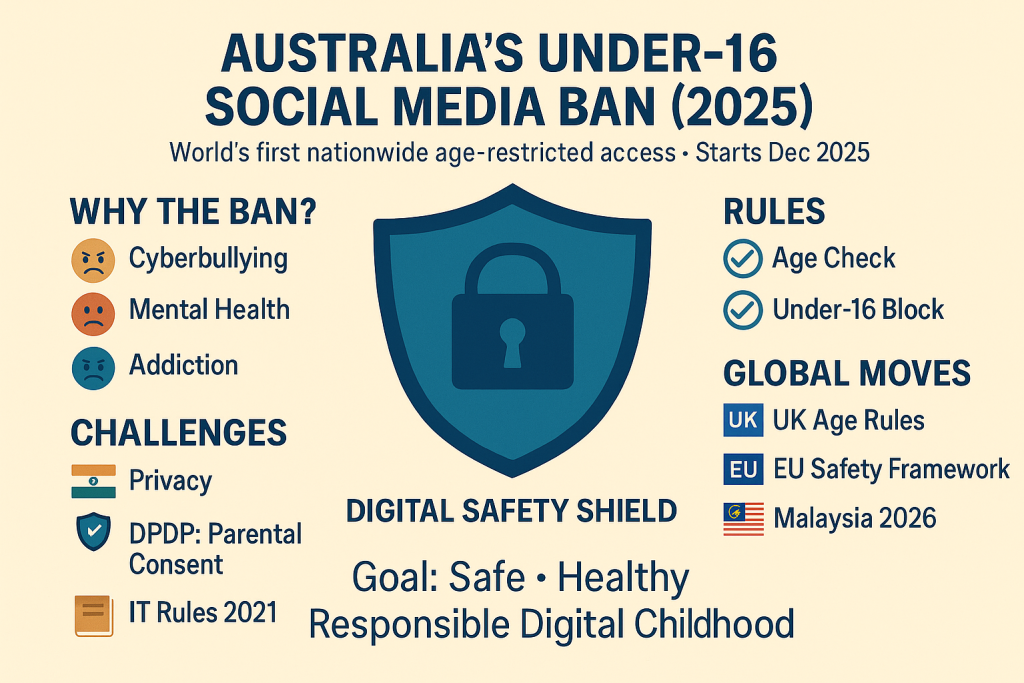
Australia’s decision to ban users under 16 from platforms like Instagram, YouTube, and Snapchat marks a breakthrough moment in the evolution of global digital governance. By shifting responsibility from families and corporations to governments, this move reframes child online safety as a public policy priority. It highlights an international shift towards stronger regulation of digital platforms.
Why Australia Enforced the Ban
Authorities argue that being active on social media exposes minors to:
- Cyberbullying
- Grooming and exploitation
- Harmful content
- Digital addiction
- Mental health issues (anxiety, depression)
Platforms use algorithmic design features that intentionally increase screen time, making children more vulnerable.
Potential Global Influence of Australia’s Move
1. Positions Child Safety as a Public Health Priority
Countries may treat online harm as a mental health emergency requiring early intervention, monitoring, and age-sensitive content regulation.
2. Stronger Global Regulation of Social Media Platforms
Governments may begin:
- Mandatory age verification systems
- Strict penalties for non-compliant platforms
- Risk assessments for algorithms targeting minors
This shifts digital responsibility to governments and tech regulators.
3. Greater International Demand for Digital Literacy
Australia’s move can inspire global focus on:
- Responsible online behaviour
- Digital education in schools
- Safe technology usage
This improves long-term digital resilience among children.
4. Possible Risks: Migration to Unregulated Online Spaces
Strict bans may push minors toward:
- VPN-based usage
- Dark web spaces
- Anonymous groups
These are harder to regulate and may amplify risks.
5. Global Debate on Digital Rights and Ethics
The ban raises questions about:
- Freedom of expression
- Right to access information
- Equity for marginalized children who rely on digital spaces for learning
Countries must balance protection vs. participation.
Conclusion
Australia’s under-16 social media ban sets a precedent in the evolving framework of global digital governance. While companies like YouTube and Meta argue it may reduce safety filters, the move pushes nations to rethink digital responsibility, algorithmic regulation, and child rights in the online world. For India—where young users form a large segment of the digital population—this debate could shape upcoming data protection and online safety policies.
Related Previous Year Question
Child cuddling is now being replaced by mobile phones. Discuss its impact on the socialization of children. (2023)