UPSC: Complete Guide to India’s Most Prestigious Examination
Every year, lakhs of aspirants dream of becoming IAS, IPS, IFS, and IRS officers. Behind this dream stands one of India’s most respected constitutional bodies—the Union Public Service Commission (UPSC). If you are planning to build a career in the civil services, understanding UPSC is the first and most important step.
What is UPSC?
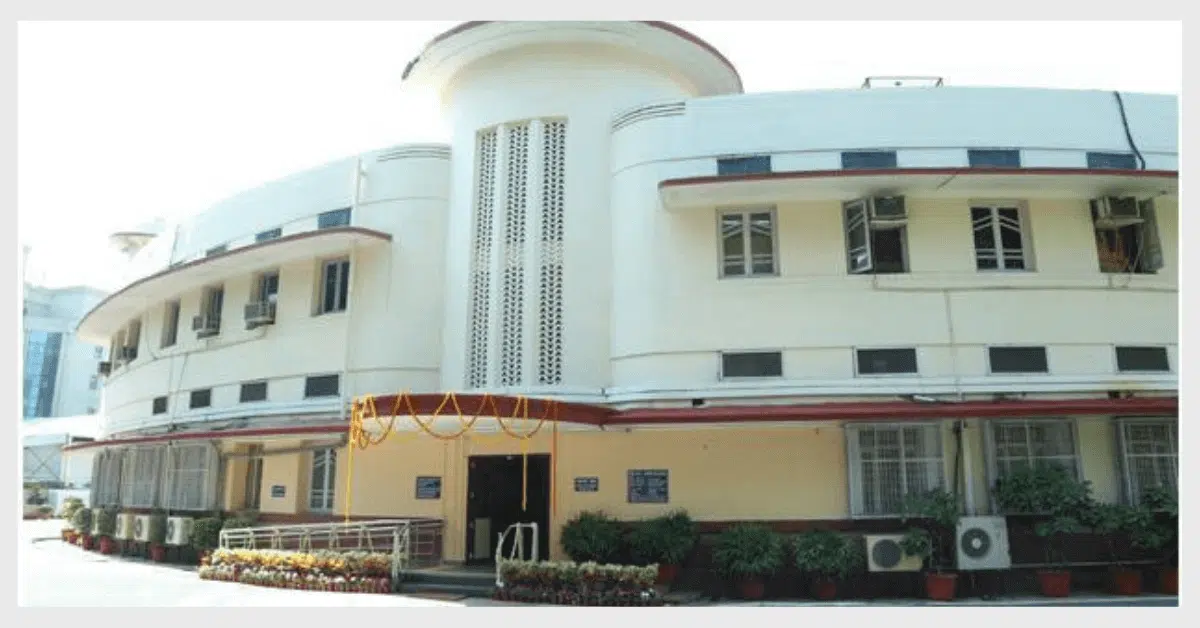
UPSC, or the Union Public Service Commission, is India’s central recruiting agency responsible for selecting candidates for various Group A and selected Group B services under the Government of India. Established under Article 315 of the Indian Constitution, UPSC ensures a fair, transparent, and merit-based recruitment process.
The commission conducts several national-level examinations to recruit talented individuals for administrative, police, foreign, defense, engineering, medical, and other government services.
Full Form of UPSC
The full form of UPSC is Union Public Service Commission.
It is an independent constitutional body entrusted with conducting examinations and advising the Government of India on matters related to recruitment and appointments.
Why is UPSC Important?
UPSC plays a crucial role in selecting the future administrators of the country. Officers recruited through UPSC contribute significantly to policy implementation, governance, law enforcement, diplomacy, taxation, and public welfare.
For many aspirants, clearing UPSC is not just about securing a government job; it is about serving the nation while holding positions of responsibility and leadership.
Major Exams Conducted by UPSC
UPSC conducts a wide range of examinations throughout the year. Some of the most prominent ones include:
Civil Services Examination (CSE)
The most popular UPSC examination used to recruit officers for services such as:
- IAS (Indian Administrative Service)
- IPS (Indian Police Service)
- IFS (Indian Foreign Service)
- IRS (Indian Revenue Service)
Engineering Services Examination (ESE)
Conducted for engineering graduates seeking technical positions in various government departments.
Indian Forest Service Examination (IFoS)
Designed for candidates interested in environmental conservation, forestry management, and wildlife protection.
Combined Medical Services Examination (CMS)
Conducted for medical graduates aspiring to serve in government healthcare organizations.
Combined Geo-Scientist Examination
For recruitment into geological and earth science-related services.
Indian Economic Service (IES) and Indian Statistical Service (ISS)
Specialized examinations for economics and statistics professionals.
Central Armed Police Forces Examination (CAPF)
Conducted to recruit Assistant Commandants in various paramilitary forces.
UPSC Defence Examinations
Apart from civil services, UPSC also conducts recruitment examinations for India’s defense services.
These include:
- National Defence Academy (NDA)
- Naval Academy Examination
- Combined Defence Services (CDS) Examination
These examinations provide opportunities to join the Indian Army, Navy, and Air Force as commissioned officers.
What is the UPSC Civil Services Examination (CSE)?
The Civil Services Examination is widely known as the IAS Exam. However, it is actually a common examination through which candidates are selected for multiple prestigious services.
The UPSC CSE is conducted in three stages:
Stage 1: Preliminary Examination
The Preliminary Examination serves as the screening stage.
It consists of:
- General Studies Paper I
- General Studies Paper II (CSAT)
Both papers are objective in nature.
Only candidates who clear the cut-off proceed to the Main Examination.
Stage 2: Main Examination
The Main Examination evaluates a candidate’s analytical ability, writing skills, understanding of governance, and overall awareness.
The exam consists of nine papers, out of which seven papers are counted for final ranking.
Stage 3: Personality Test (Interview)
Candidates who qualify for the Mains are called for the Personality Test.
The interview panel assesses:
- Communication skills
- Leadership qualities
- Decision-making ability
- Presence of mind
- Overall personality
UPSC Civil Services Syllabus
The UPSC syllabus is vast and designed to test a candidate’s knowledge, understanding, and analytical skills.
Prelims Syllabus
General Studies Paper I includes:
- History
- Geography
- Polity
- Economy
- Environment
- Science and Technology
- Current Affairs
CSAT includes:
- Comprehension
- Logical Reasoning
- Analytical Ability
- Basic Numeracy
Mains Syllabus
The Main Examination covers:
- Essay Writing
- Indian Heritage and Culture
- Governance and Constitution
- International Relations
- Social Justice
- Internal Security
- Ethics and Integrity
- Economy
- Science and Technology
- Environment
- Optional Subject
Interview
The final stage focuses on assessing the overall personality and suitability of a candidate for public service.
UPSC Eligibility Criteria
Age Limit
A candidate must be at least 21 years old.
Upper age limits are:
- General Category: 32 years
- OBC: 35 years
- SC/ST: 37 years
Age relaxations are available for certain reserved categories as per government rules.
Educational Qualification
Any candidate holding a bachelor’s degree from a recognized university is eligible to apply.
The degree can be from:
- Arts
- Science
- Commerce
- Engineering
- Medicine
- Distance Education Programs recognized by authorities
Final-year students can also apply subject to meeting eligibility requirements.
How to Apply for UPSC?
The UPSC application process is completely online.
The basic steps include:
- Visit the official UPSC website.
- Complete the One-Time Registration (OTR).
- Fill out the online application form.
- Upload required documents.
- Pay the application fee.
- Submit the form and download the confirmation page.
Candidates should carefully verify all details before final submission.
How to Prepare for UPSC?
Success in UPSC requires consistency, discipline, and a smart strategy.
A beginner can start by:
- Understanding the syllabus thoroughly.
- Reading NCERT books.
- Following current affairs daily.
- Making concise notes.
- Practicing answer writing.
- Solving previous year question papers.
- Taking regular mock tests.
The key is not studying for long hours alone but studying with clarity, revision, and consistency.
Final Thoughts
UPSC is more than just an examination; it is a gateway to serving the nation at the highest administrative levels. The journey is challenging, but with proper planning, dedication, and perseverance, success is achievable.
Every successful civil servant once started as a beginner. If your dream is to become an IAS, IPS, or IFS officer, start your preparation today and move one step closer to achieving that goal.